Our story began with a question:
“What if recovery wasn’t just about stopping alcohol or drugs? What if it was about building a life that meant neurodivergent people no longer needed to use substances to be part of it”
Recovery for autistic & ADHD adults
For many autistic and ADHD adults, substance use has never been simply about getting intoxicated. It has often been a way of managing anxiety, sensory overwhelm, loneliness, masking, low self-esteem and the exhaustion of navigating a world that was never designed for neurodivergent people. Recovery therefore needs to offer more than abstinence. It needs to offer belonging.
Our vision is to create a permanent, activity based recovery community where autistic and ADHD adults can build healthier coping strategies, meaningful friendships and lasting confidence through movement, creativity and shared experience.
Barriers Within Traditional Recovery Services
Conventional recovery programmes can be highly effective for many people, but some autistic adults find group-based treatment difficult because of the amount of social interaction, small talk, physical contact, ambiguous language and pressure to speak publicly.
The Recovery Community responds to these barriers through offering small groups, predictable structure, gentle communication, practical activity, peer support, a relaxed arrival period and opportunities to connect without being required to disclose personal experiences in front of a group.
The Long-Term Vision
The ultimate ambition is to create a seven-day-a-week recovery community.
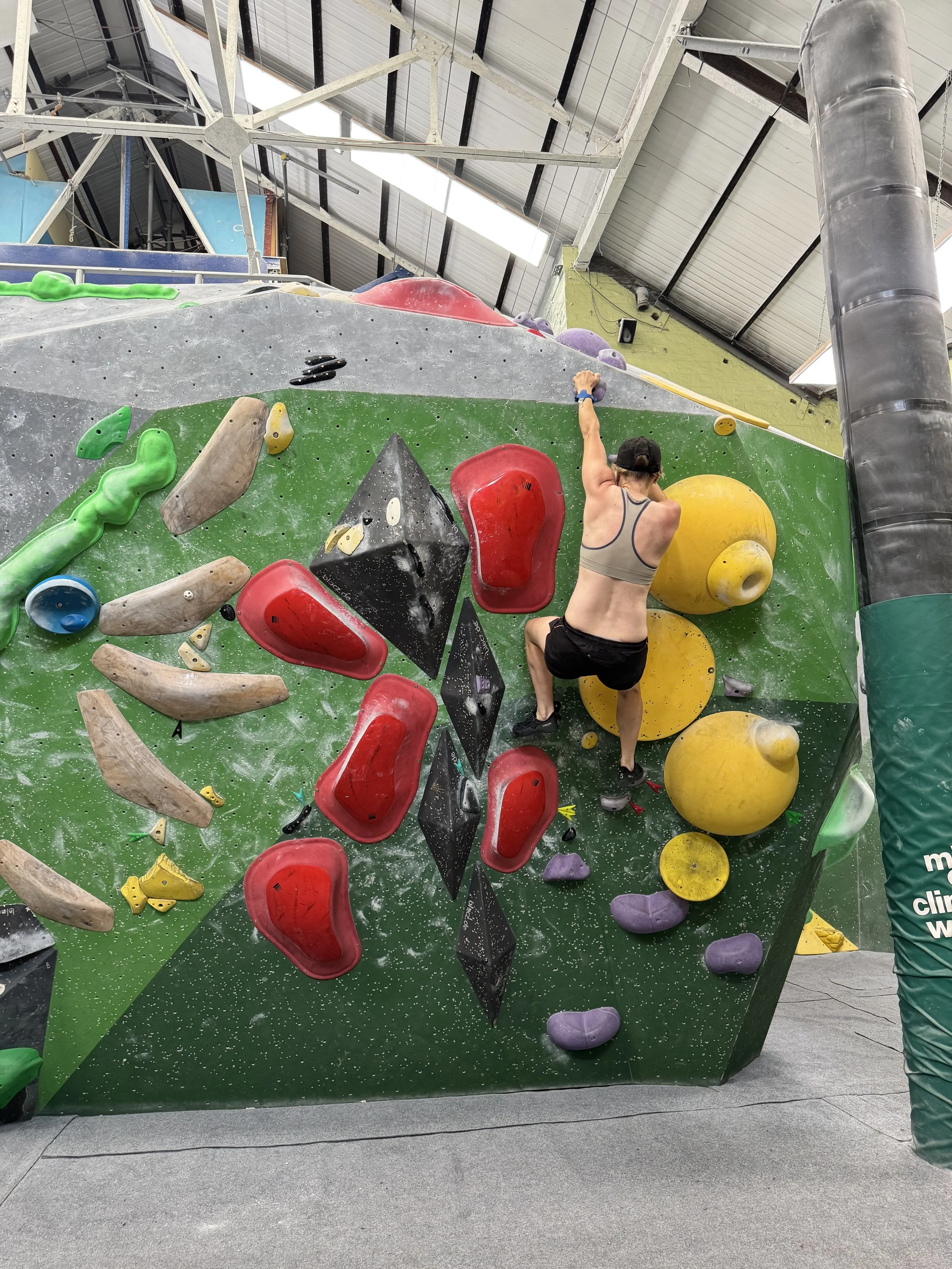
Like traditional recovery fellowships, there would always be somewhere familiar to go, people who know your name and a supportive environment available when life feels difficult. Every day, Recovery Yoga would provide a calm and grounding space for nervous-system regulation. Every week, Recovery Bouldering courses and peer-led drop-ins would offer routine, physical challenge, shared achievement and genuine connection.
Additional activities—such as improv, creative writing, art workshops or other peer-led groups—would emerge naturally as members discover their own strengths and passions. Participants would not only receive support but also create it, sharing their talents and building a community shaped by the people within it.
The vision is not simply to reduce substance use. It is to reduce loneliness. To replace isolation with belonging. To replace shame with confidence. To replace surviving with living.
The Recovery Community aims to create a place where autistic and ADHD adults can recover together through activities —not only from addiction, but from years of feeling misunderstood, excluded or alone. Because lasting recovery is built through connection. And no one should have to climb it alone.
Meet The Recovery Team
Lived Experience is at the centre of who we are
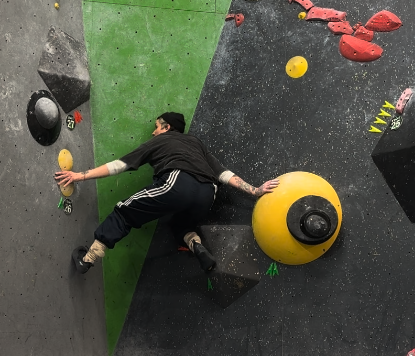
Founder. Session Host. Peer Support.
Lived experience of autism, ADHD & substance use recovery
Elise Harrison
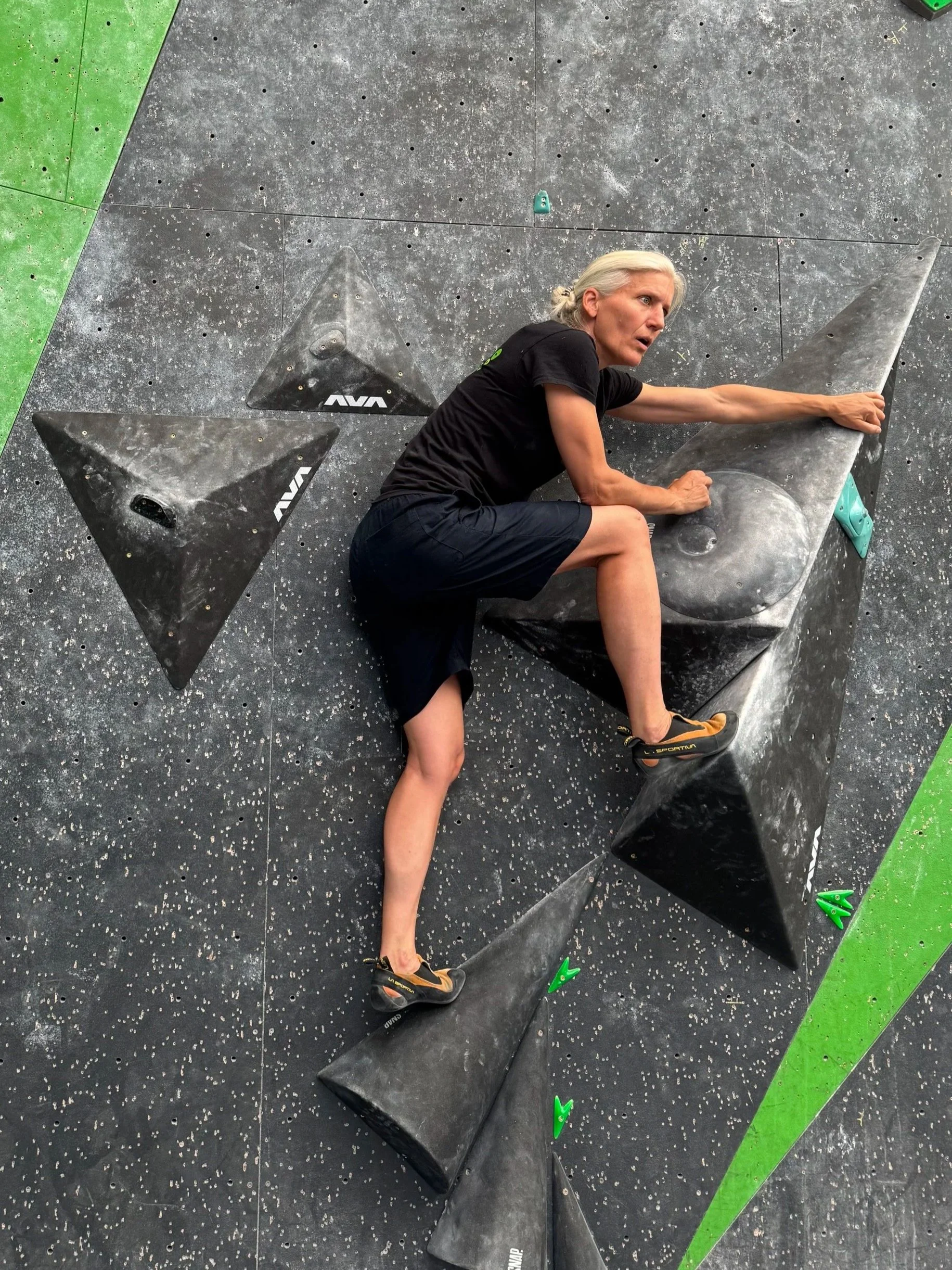
Bouldering Instructor. Somatic Coach.
Lived experience of ADHD